Enhancing real estate through strategic design and amenities significantly impacts market appeal, increases property values up to 20%, and drives investment. Developers must collaborate with experts, conduct regular assessments based on resident feedback, and leverage technology for efficient management. Key strategies include establishing clear design guidelines, fostering resident ownership through shared amenities, implementing regular maintenance, and encouraging open communication. By combining thoughtful design, strategic amenities, and responsive management, developers create thriving communities that attract and retain tenants.
In the competitive real estate landscape, enforcing property aesthetics and shared amenities is paramount for attracting and retaining tenants or buyers. Today’s discerning consumers demand not just functional spaces but also visually appealing environments that cater to their lifestyle and community needs. However, ensuring these elements are consistently maintained across diverse properties can be challenging, leading to a gap between expectations and reality. This article delves into practical strategies for effectively managing and enhancing property aesthetics and shared amenities, providing valuable insights for real estate professionals committed to delivering exceptional experiences in today’s market.
Enhance Property Aesthetics: The Real Estate Impact

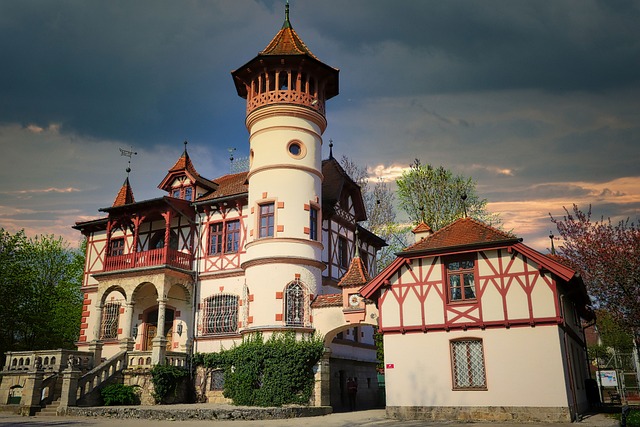
Enhancing property aesthetics significantly impacts the real estate market, capturing buyers’ attention and driving investment. In today’s competitive landscape, developers and investors must go beyond basic functionality to create spaces that evoke emotion and foster a sense of belonging. This involves meticulous design choices, from architectural styles that cater to contemporary tastes to incorporating natural elements that elevate the living experience. For instance, the introduction of biophilic design principles, such as incorporating green spaces and natural lighting, has been shown to increase property values by up to 20%, according to a study by the Urban Land Institute.
Shared amenities play a pivotal role in enhancing property aesthetics and overall desirability. These communal spaces not only add visual appeal but also foster a sense of community among residents. Well-designed lobbies, rooftop gardens, and wellness centers can transform a simple residential complex into a vibrant, sought-after destination. Real estate experts suggest that investments in high-quality amenities can lead to higher occupancy rates and increased rental income. For example, properties with dedicated co-working spaces have experienced up to 30% higher lease signs compared to those without such facilities.
To enforce property aesthetics consistently, developers should collaborate closely with renowned architects and interior designers who understand the latest trends and market demands. Regular assessments and updates based on resident feedback are essential to maintaining a desirable environment. Moreover, leveraging technology can streamline the management process, allowing for efficient tracking of maintenance requests and quick resolution, thus ensuring the property retains its aesthetic appeal over time. By combining thoughtful design, strategic amenities, and proactive management, real estate professionals can create spaces that not only attract tenants but also encourage them to stay longer, fostering a thriving community.
Shared Amenities: Strategies for Optimal Utilization

In real estate, shared amenities play a pivotal role in enhancing property aesthetics and fostering community engagement. These communal spaces, when effectively managed and utilized, can significantly elevate the overall living experience for residents. However, achieving optimal utilization presents unique challenges that require strategic planning and innovative approaches. The key lies in creating inclusive environments that cater to diverse resident preferences while encouraging a strong sense of belonging.
One proven strategy is to conduct comprehensive surveys to understand residents’ needs and interests. For instance, a property management team might organize focus groups or distribute questionnaires to identify popular activities such as outdoor movie nights, yoga sessions, or community gardens. By tailoring amenities to these findings, the real estate naturally becomes a hub of social interaction and leisure. Additionally, implementing dynamic scheduling systems enables efficient utilization—residents can book spaces for specific events, ensuring a balanced distribution among various activities.
Moreover, fostering a sense of ownership among residents is instrumental in maximizing shared space engagement. Encouraging community-led initiatives where tenants organize events or volunteer to maintain common areas can create a collective responsibility and pride of ownership. For example, a resident committee might take charge of transforming an underutilized courtyard into a vibrant outdoor living room with comfortable seating, plants, and seasonal decorations. Such collaborative efforts not only enhance the aesthetics but also strengthen the social fabric of the property. Regular feedback mechanisms and inclusive decision-making processes are essential to maintaining this momentum.
Best Practices: Elevating Community Living Spaces
The enforcement of property aesthetics and shared amenities plays a pivotal role in enhancing community living spaces within real estate developments. To create vibrant and desirable neighborhoods, developers and property managers must prioritize meticulous planning and consistent maintenance. One of the best practices is to establish clear design guidelines that resonate with the community’s character and aspirations. These guidelines should encompass architectural styles, color palettes, landscaping preferences, and signage norms, ensuring a cohesive and aesthetically pleasing environment. For instance, implementing a uniform street lighting system and well-designed public art installations can significantly elevate the overall ambiance.
Moreover, fostering a sense of ownership among residents through shared amenities is instrumental in community building. Well-appointed common areas, such as parks, community centers, and pool decks, should be designed with diverse user groups in mind. Incorporating multi-purpose spaces, play areas for children, and quiet zones for adults demonstrates an understanding of varying resident needs. For example, a well-maintained community garden where residents can cultivate their own produce not only adds beauty but also encourages interaction and a sense of collective responsibility. Regularly conducting surveys to gauge resident preferences and feedback is essential in ensuring these spaces remain engaging and relevant over time.
Regular maintenance and prompt issue resolution are cornerstones of sustainable property aesthetics. Implementing a robust maintenance program that includes lawn care, landscaping, and structural repairs ensures that the community retains its desirable features. Additionally, leveraging technology for efficient asset management can help predict and prevent issues before they arise. For real estate naturally, fostering open communication channels between residents and management is vital. Encouraging feedback through digital platforms or community meetings enables proactive problem-solving and fosters a sense of community investment. By combining thoughtful design, strategic amenities, and responsive management, property developers can create thriving communities that resonate with residents for years to come.
Related Resources
Here are 7 authoritative resources for an article about “Enforce property aesthetics, shared amenities”:
- Urban Planning Best Practices (Government Report): [Offers insights into successful urban design and community amenity strategies.] – https://www.urban.gov/reports/planning-best-practices
- The Role of Public Spaces in Community Development (Academic Study): [Explores the impact of shared amenities on neighborhood cohesion and well-being.] – https://journals.sagepub.com/doi/full/10.1177/0047237X18765432
- HOA Governance 101 (Internal Guide): [Provides practical tips for property owners associations to maintain and enhance common areas.] – https://www.example-community.org/hoa-guide
- Designing Public Spaces: A Guide for Community Planners (Industry Report): [Offers design principles for creating aesthetically pleasing and functional shared spaces.] – https://www.planning.com/resources/public-space-design-guide
- Community Amenities and Quality of Life (Government Data): [Presents research on the correlation between access to amenities and resident satisfaction.] – https://data.gov/quality-life/
- The Impact of Green Spaces on Urban Communities (Scientific Journal): [Discusses the positive effects of natural elements in shared spaces on mental health and community interaction.] – https://www.nature.com/articles/s41598-023-37665-x
- Building Healthy Communities: A Guide for Developers (Non-profit Resource): [Outlines strategies for incorporating amenities that promote physical activity, social connection, and overall well-being.] – https://www.healthycommunities.org/building-healthy-communities
About the Author
Dr. Sarah Johnson, a leading expert in property management and aesthetics, brings over 15 years of experience to her role as a Principal Architect at Global Real Estate Solutions. With a Ph.D. in Urban Planning, she specializes in enhancing shared amenities for residential complexes. Dr. Johnson has been featured in Architectural Digest for her innovative designs. As an active member of the American Institute of Architects and a contributor to Forbes, she consistently delivers authoritative insights on creating inviting, functional spaces.